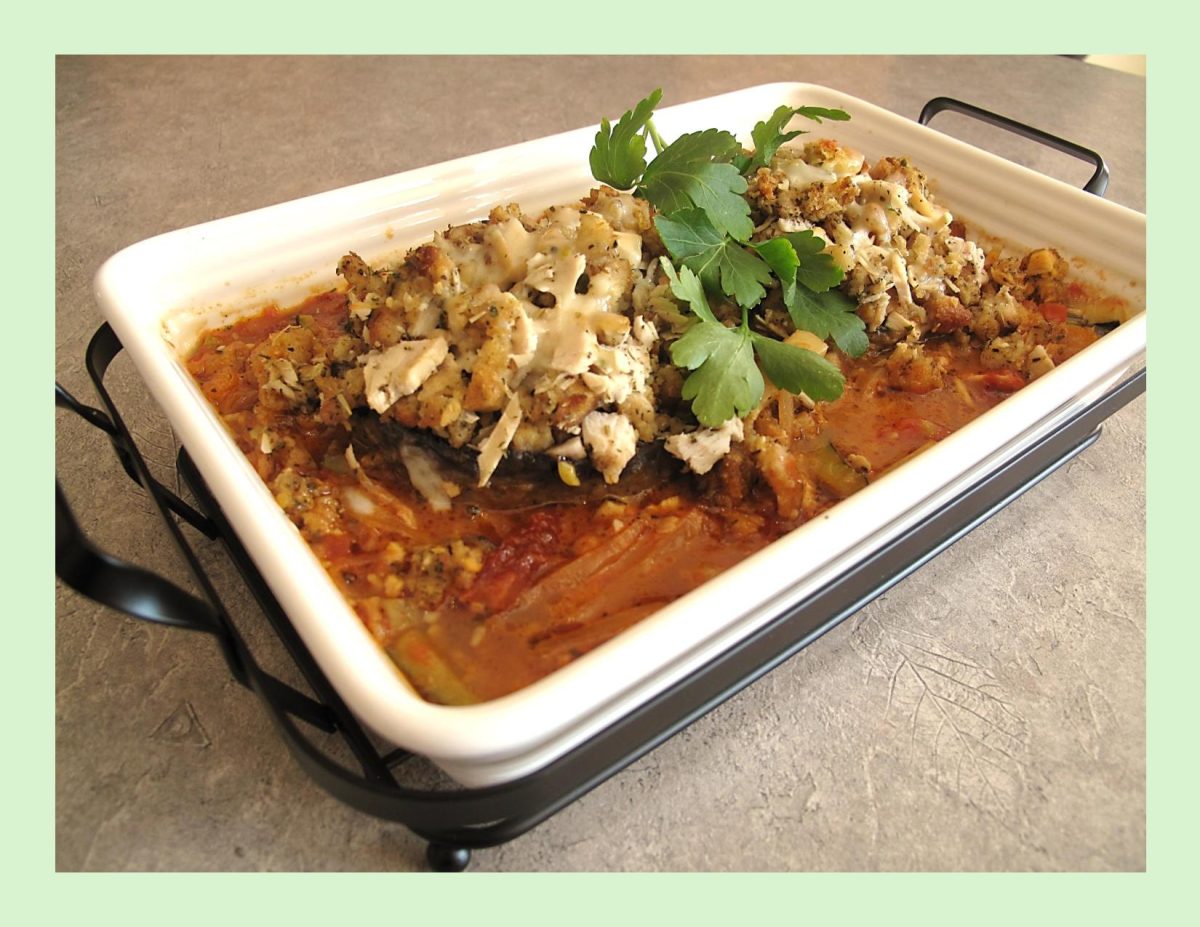
I’m not sure about you, but lobster is a rare treat in our household because it’s so expensive. ‘Poor Mans Lobster’ with melted butter is a dish that is made with white fish, so it tastes just like lobster, but it doesn’t cost a fortune.
When the first European settlers reached North America, lobsters were so plentiful that they would reportedly wash ashore in piles up to 2 feet high. Their bounty made them a precious source of sustenance during hard times—and gave them a lowbrow reputation as the poor man’s protein. Instead of this leading to seafood festivals and celebrations like the clambake, colonists were just super embarrassed by all of, what they called ‘the ‘cockroaches of the sea’. These hard-shelled creatures were even used as fertilizer and fish bait because there were just so many around. Dirt-cheap because they were so copious, lobsters were routinely fed to prisoners, apprentices, slaves and children during the colonial era and beyond.
However, all this started to change in the mid 1800’s because of canned food and trains. Lobster actually became one of the most popular canned products on the market. Later, during World War II, canned lobster was used to feed soldiers.
Once railroad transportation began to make travel easier, more and more people began to experience the taste for lobster. Thanks to the cheap price tag and the copious quantities, lobster was served on passenger trains. Passengers were intrigued by the dish and word began to spread about the rediscovered cuisine.
Before long, demand and prices for lobster both increased, as the crustacean was ultimately rebranded by the North American population from a food for the poor to a far more decadent dish.
Today, poor man’s lobster refers to a dish made of white fish, cooked in the style of lobster, mimicking many of the similar flavors. Once simmered in boiling water, dipped in butter, with a squeeze of lemon, it takes on a taste like cooked lobster.
Print Recipe
Poor Man's Lobster
Votes: 1
Rating: 5
You:
Rate this recipe!
|
|
Votes: 1
Rating: 5
You:
Rate this recipe!
|
Instructions
-
In a bowl, mix together water, sugar & salt then add to a large skillet.
Place fish filets in the skillet & bring to a gentle simmer. Cook the cod by avoiding a hard boil during the poaching step. Keep the water at a gentle simmer & watch the cooking time closely ... overcooking is the main cause of rubbery fish.
After poaching, transfer the cod to a baking sheet, brush with some melted butter & season with paprika.
Broil for about 7 minutes on low until fish flakes easily with a fork.
Brush with more butter & juice from the lemon & serve.
This meal is nice served with broccoli or green beans & roasted potatoes or rice. We added some 'Cheddar Bay Bread' as well.

Artichokes can be intimidating with their seemingly endless layers of tough leaves and spiked ends. Approaching these vegetables in their fresh form may demand a little know-how, but the nice thing is that today’s supermarkets often stock canned artichoke hearts, which eliminates most of the hard work and preparation.
A gratin is the term used for any dish that is topped with breadcrumbs, cheese or both and then baked until crisp and golden. This method of cooking is commonly used with potatoes, but can easily and equally deliciously, be used for a variety of different ingredients.
This particular gratin incorporates both shrimp and artichokes in a lemon béchamel sauce which complements the shrimp as well as the almost lemony flavor of the artichokes, resulting in a wonderfully creamy and bright tasting dish.
Print Recipe
Creamy Shrimp & Artichoke Hearts Gratin
Votes: 1
Rating: 5
You:
Rate this recipe!
|
|
Votes: 1
Rating: 5
You:
Rate this recipe!
|
Instructions
-
Drain the artichoke hearts & set aside.
Generously sprinkle shrimp with Old Bay seasoning. In a large saucepan, heat 1 Tbsp of the butter & sauté the minced garlic & shrimp. When shrimp is almost cooked, remove from saucepan & set aside.
In a medium-sized bowl, mix together the Gruyère cheese & fresh breadcrumbs; set aside.
In the saucepan (used for cooking shrimp), over medium heat, add the remaining 1 Tbsp butter. Once melted, add the flour, whisking to create a roux.
Slowly incorporate the milk, whisking all the while, to create a thick & creamy béchamel sauce. Stir in the fresh thyme, lemon zest, juice, & salt, then remove the sauce from the heat.
Arrange artichoke hearts in bottom of an oven proof baking dish. Nestle shrimp in the spaces between artichoke hearts. Pour the lemony béchamel sauce over all & top with the Gruyère mixture & black pepper.
Bake for 20-25 minutes until the artichoke mixture is bubbling & the top is golden & crisp. Serve hot.

ENJOYING SHROVE TUESDAY!
Today, February 17th is Shrove Tuesday. The date can be anytime between February 3rd & March 9th. It is exactly 47 days before Easter Sunday, based on the cycles of the moon.
For centuries, the consumption of pancakes has widely been regarded as a popular way to celebrate Shrove Tuesday, which takes place the day before Ash Wednesday in preparation for Lent. However, the day is celebrated in a variety of ways around the world with many different foods.
The final day before Lent has many meanings, both spiritual and practical. The spiritual purpose of Shrove Tuesday is to take stock of the year and determine what things one must bear in mind during repentance.
Practically speaking, Shrove Tuesday is the last day before the great ‘fast’ of Lent. As a result, many would take it as an opportunity to have a final feast and party. Because this holiday marked the last day to use up one’s stocks of fats and eggs, a British tradition was born –Pancake Tuesday. Pancakes make use of ingredients that were banned during Lent and would spoil before its end.
Although many traditions of the past have gone by the wayside, whether you know its history or not, Pancake Tuesday seems to still be a ‘thing’.
I’m sure you are probably quite familiar with the Dutch Baby or German pancake. I have featured them on the blog numerous times over the years.
A cross between a pancake and a crepe, a Dutch baby begins with the thin pancake-like batter which is poured into a hot skillet or an oven proof dish. When the edges of the pancake are brown, it is ready to come out of the oven. The center is perfect for adding sweet or savory ingredients.
Brion & I eat pancakes regularly and enjoy them whether they are sweet or savory versions. As always, I can’t resist a different combination, so today we are having some baked pancakes with pears & cardamom. Yum!
Print Recipe
Baked Pancake w/ Pears & Cardamom
Votes: 1
Rating: 5
You:
Rate this recipe!
|
|
Votes: 1
Rating: 5
You:
Rate this recipe!
|
Instructions
Melt 2 Tbsp. butter in a 10" cast iron (or other oven proof) skillet. Toss in sliced pears, cardamom, lemon juice & sugar. Cook, stirring occasionally, until the pears are tender & the sugars are beginning to caramelize, anywhere from 10-20 minutes.
-
Combine flour & salt in a large bowl, make a well & add eggs. Whisk to combine, adding the milk a little at a time until batter is smooth. Whisk in vanilla & 2 Tbsp melted butter.
Pour the batter into the hot pan over the pears & place it in the oven.
Bake until golden & dramatically puffed, about 30 minutes.
Dust with powdered sugar & cut into wedges. Serve immediately.
Recipe Notes
This baked pancake is good reheated or eaten cold should there be any leftovers.
Brion & I really enjoyed this pear pancake with some sausage & eggs on the side for a nice sweet/savory meal.

Polish Hamburgers could be described as a cross between a meatball and an actual hamburger. These tender burgers have unique flavors of mushroom, garlic, and dill simmered in a rich gravy creating a savory comfort food that is best served over mashed potatoes, steamed bread dumplings, buttered egg noodles, or rice.
Klotlety or Klupskies, also known as Polish burgers, are a classic dish originating from Poland. Every Polish family has their own unique recipe and way to prepare them, making it a dish that is both a culinary tradition and a source of family memories. Typically, they are made with ground pork and beef, onions, eggs, bread, and milk along with spices and seasonings.
You may notice the traditional recipes for these hamburgers have some unique ingredients such as dill and nutmeg. Although that may seem a bit unusual to you, the nutmeg adds another layer of flavor to the gravy while the dill adds some brightness. Frying is one common preparation method, but you can also bake them.
Today, Polish hamburgers can be found in various forms served in the traditional way with mashed potatoes and gravy or they can be used for a more North American-style hamburger on a bun, with dill pickles, sliced tomatoes, onions, cheese, sauces, and other toppings.
These hamburgers taste great the next day for lunch or as a nice picnic meal.
Print Recipe
Polish Hamburgers
Votes: 1
Rating: 5
You:
Rate this recipe!
|
|
Votes: 1
Rating: 5
You:
Rate this recipe!
|
Instructions
Patties
In a large bowl, combine the meat, crackers, eggs, onions, green peppers, milk, herbs & seasonings. Do NOT OVERMIX. One of the main reasons recipes like meatloaf, burgers and meatballs are not good is due to over mixing the meat mixture. When you make these Polish hamburgers, you want to make sure to combine the ingredients but do not over mix them or your burgers will cook up too dense & hard.
Prepare a cookie sheet with foil & form mixture into 10 patties that are about the size of your hand and about 2 inches thick. These patties may be wetter than your usual meatballs or hamburgers.
Allow the patties to rest at room temp for about 30 minutes so they have time to bind.
When the patties have rested for about 30 minutes heat 2 - 3 Tbsp of butter in a large deep skillet. When the butter is warm, add the minced garlic and give it a swirl in the butter. Prepare a plate with some paper towels to keep near the stove where you will be frying your patties.
Carefully remove patties & place them in your skillet. Allow the patties to cook for about 5 to 7 minutes on the first side before carefully flipping. You want to get a nice sear on each side. When they are well seared on both sides, remove them from the skillet & place on the prepared paper towel dish. Fry remaining burgers getting a nice sear on all.
Mushroom Gravy
When you are done frying all the burgers, add the rest of the butter, then add the mushrooms to the hot skillet. Allow the mushrooms to brown. Add the Worcestershire sauce. Use a spatula to scrape up the meaty bits from the bottom of the pan as the Worcestershire sauce loosens them.
Give the mushrooms about five minutes to simmer in the Worcestershire sauce. Next add the beef broth & cream of mushroom soup, whisking until smooth.
Now, add the burgers BACK to the pan of gravy you just made. They should have shrunk while cooking so you should have room for them all. Make sure they are submerged in the gravy & bring the pan to a simmer.
Reduce heat, cover with a lid & allow to simmer for 30 minutes. You may want to rearrange the burgers halfway through simmering to make sure they all get a chance to be submerged in the gravy.
After 30 minutes, make room in the center of the pan & add a heaping Tbsp of sour cream, whisking until combined into all of the gravy.
Serve your hamburgers on top of mashed potatoes or a steamed bread dumpling and top with gravy and a sprinkle of dill.
Serve hamburgers on top of mashed potatoes, steamed bread dumplings, buttered egg noodles, or rice and top with gravy and a sprinkle of dill.
Recipe Notes
One of the main reasons recipes like meatloaf, burgers and meatballs are not good is due to over mixing the meat mixture.

When it comes to zucchini, there is virtually nothing it seems it can’t be made into. To be honest, my love affair with this vegetable spans many years. Long before the internet and Pinterest gave us access to any recipe you could ever want, print cookbooks were the go-to. So, to make a long story short, I actually have a recipe book solely devoted to zucchini that is still relevant in today’s cooking and baking procedures. Fresh garden veggies are what summer is made for. Eating fresh and in season not only tastes amazing but is so enjoyable.
I’m sure everyone is well acquainted with the zucchini ‘boat’ idea. Basically, zucchini sliced in half lengthwise, hollowed out and filled with whatever you choose. I think incorporating the zucchini you scoop out into the filling is a good idea. This versatile veggie takes on the flavor of whatever you’re cooking, so the possibilities are endless.
For this recipe, I’m filling the zucchini boats with succulent pieces of spicy shrimp & mushrooms then baking them in a Boursin cheese sauce. I find the best zucchini to use is a medium size, about 8-10 inches in length. Zucchini, that is smaller than that really tastes the best but should be saved for other recipes because they’re not big or sturdy enough to hold the filling. Those super large zucchinis are best for grating to add to baked goods like bread and muffins.
This stuffed zucchini meal is real good with steamed rice and roasted tomatoes.
Print Recipe
Stuffed Zucchini w/ Shrimp & Boursin Cheese Sauce
Votes: 1
Rating: 5
You:
Rate this recipe!
|
|
Votes: 1
Rating: 5
You:
Rate this recipe!
|
Instructions
Zucchini / Shrimp & Mushrooms
Trim ends off zucchini & slice lengthwise so that you have 4 long halves. Using a spoon, hollow out the middle of each half, leaving a little bit on each end to prevent the filling from running out. Place zucchini halves in oven proof serving 'boats'. Chop zucchini pulp to use in filling.
In a saucepan over medium heat, melt butter. Add shrimp & seasonings. Allow to cook about 5 minutes, turn & cook for another minute. Transfer to a bowl & set aside.
In the same pan, melt the remaining butter. Add the mushrooms & chopped zucchini pulp. Cook until soft, about 5 minutes. Add minced garlic & sauté for another 1-2 minutes. Set aside.
Cheese Sauce
In a small saucepan, melt butter then add Boursin cheese & milk. Whisk until combined. Once sauce is heated through, turn off heat & let rest for 5 minutes while sauce thickens.
Assembly / Baking
-
Place zucchini 'boats' with zucchini halves on a baking sheet with sides. Fill with the cooked mushroom/zucchini filling. Top the filling with cooked shrimp. Pour Boursin cheese over the filled zucchini halves.
Bake for about 45 minutes or until zucchini is tender & cheese is golden brown. Cool 5 minutes before serving.
Nice served with steamed rice.

Lasagna is one of those dishes that can be made early in the day, then baked in the evening, and the leftovers can be reheated several days later. Lasagna is also a dish where you can use your own preferences of ingredients and can also be frozen.
People who like to entertain are constantly on the lookout for a main course that is festive enough to be special yet can be made and served in one dish — thus minimizing the dreaded cleaning‐up process. A dish of lasagna is a first-rate solution to the dilemma, and it is easy to double or triple the quantities.
The fact is that with a little imagination the flavors and textures of baked lasagna can easily be taken to the next level— from a blend of seafood in a light tomato or cream sauce to a fine, lusty blend of chicken, sausage or beef.
My initial thought today was to prepare some seafood lasagna with the regular lasagna noodles then an idea popped in my head about making it using spring roll wrappers. Same kind of seafood filling and concept but a different choice of ‘pasta’. Change is good!
Print Recipe
Seafood 'Lasagna' w/ Spring Roll Wrappers
Votes: 1
Rating: 5
You:
Rate this recipe!
|
|
Votes: 1
Rating: 5
You:
Rate this recipe!
|
Instructions
Melt 1 tbsp of butter in a skillet over medium heat and cook the celery, onion and garlic. Set aside.
Melt 4 tbsp of butter in a saucepan. Add the flour and cook for 5 minutes over low heat, stirring occasionally with a wooden spoon. Add the hot broth. Stir with a whisk and simmer for 15 minutes over low heat.
In another saucepan, bring the white wine to a simmer and poach the scallops for 1 minute. Remove from the wine and set aside.
Add the white wine to the vegetable mixture. Stir the scallops, shrimp, crabmeat and vegetables into the sauce. Add the OLD BAY seasoning, Italian seasoning, salt and pepper to taste. Gently stir in the cream.
-
Spoon a small quantity of sauce into an 11 x 7-inch baking dish. Place a layer of spring roll wrappers on the sauce, top with 1/3 of the filling, then add more sauce & 1/3 of the grated cheese. Repeat with 2 more layers. Cover all with another layer of spring roll wrappers, last bit of sauce & remaining cheese.
Bake for 25-30 minutes, or until the top is golden. Remove from oven & allow to sit for a few minutes. Slice & serve.
Recipe Notes
- Being spring roll wrappers are very thin, I always used 2 together as opposed to just one in each layer.

If there’s any month where the comfort and hands-off cooking style of a casserole belongs, it’s December. Indeed, in this busy holiday month, casseroles offer nearly effortless ways to make a full meal with minor bits of stirring, stuffing, topping, and baking.
The term ‘casserole’ can refer to any dish prepared in a casserole dish—essentially a deep, wide baking dish—and baked in the oven. A casserole can have layers, as in the case of an Italian lasagna or a deep-dish pizza, or composed of some evenly distributed combination of veggies, a protein, and a starchy binder.
Pork and apple casserole celebrates a classic pairing and is just right when you need something warming.
Apples are a traditional accompaniment to pork and these cheesy slices make a delicious garnish.
Print Recipe
Cheesy Pork & Apple Casserole
Votes: 1
Rating: 5
You:
Rate this recipe!
|
|
Votes: 1
Rating: 5
You:
Rate this recipe!
|
Instructions
Place potatoes in a large pot of salted water & bring to a boil. Cook for 20 minutes until tender. Drain & mash with milk, 2 Tbsp butter & mustard.
Peel 4 apples, remove cores & cut into large cubes. Place in a saucepan with 1/4 cup water. Bring to a boil then lower heat & simmer for 10 minutes or until tender. When soft add 2 Tbsp sugar & combine to make an applesauce consistency.
In a saucepan, heat 1 Tbsp butter & sauté onion with a pinch of salt. Add ground pork & scramble fry until browned. (Drain any excess liquid so the casserole doesn't become too soggy). Season with salt & pepper to taste.
Preheat oven to 375 F. Butter a 13 x 9-inch baking dish.
Combine potatoes & 'applesauce' with onion/meat combo. Add additional seasoning if necessary. Spoon mixture into prepared baking dish.
Remove the core from the remaining apple & cut into thin slices. Arrange slices over casserole mixture & sprinkle with grated cheese.
Bake for about 30 -35 minutes until top is slightly browning.
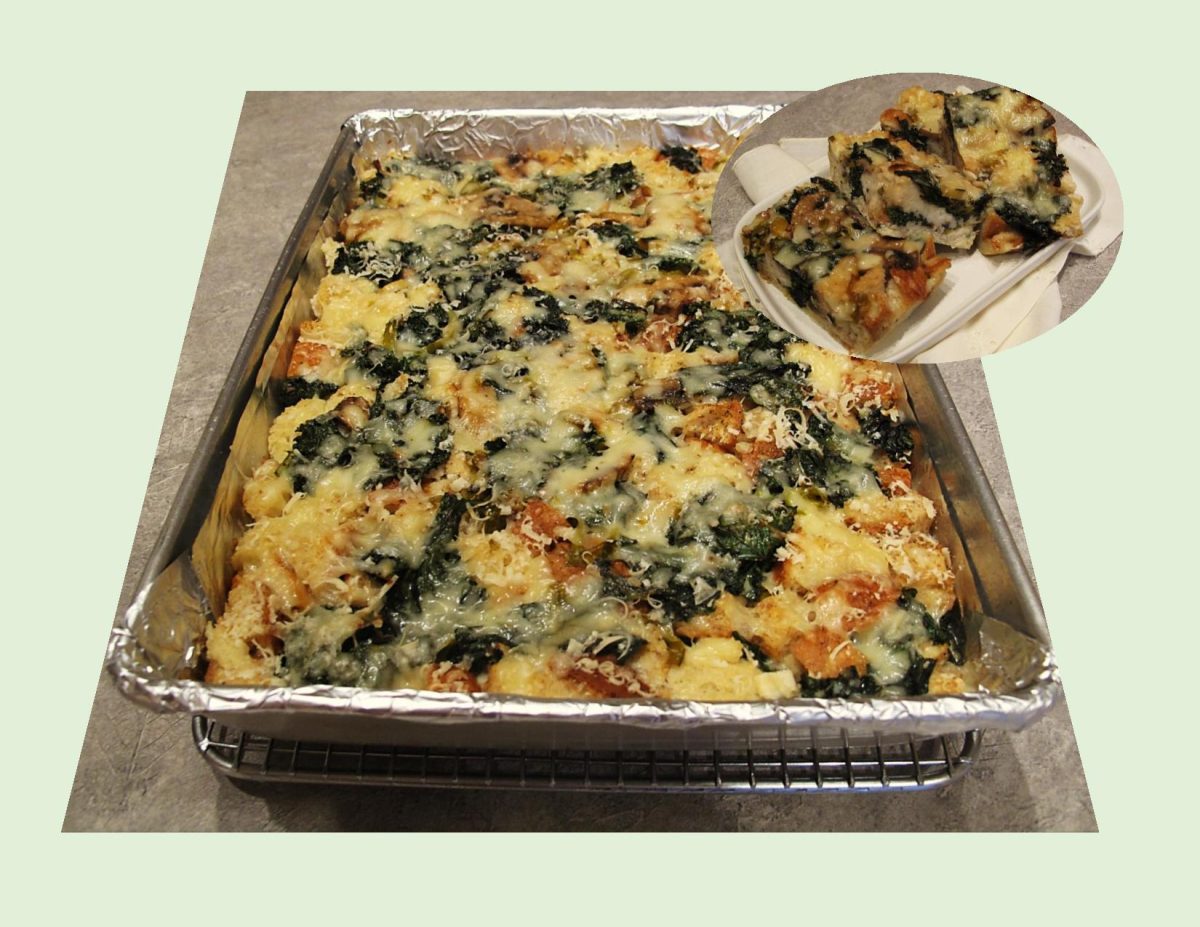
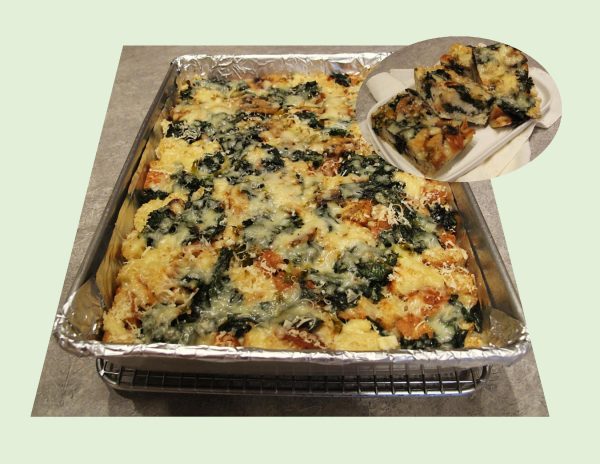
In the beginning, there was kale. From it arose the others, cauliflower, Brussels sprouts, cabbage, broccoli, collard greens, mustard, kohlrabi, rutabaga, turnips and Bok choy.
Kale is an ancient vegetable that has been enjoyed by humans for centuries. It is thought to have originated in Asia Minor and was brought to Europe by traders and travelers. Kale was a popular crop in medieval times and was often grown in monastery gardens.
In the 18th century, kale became even more popular after it was introduced to North America. There are several different types of kale, each with its own unique flavor and texture. Curly kale is the most common type, and it has a slightly bitter taste. Tuscan kale is a bit sweeter and more tender than curly kale, while Russian kale is the most robust and flavorful of all the varieties.
Kale holds its texture well when cooked, and it can be steamed, stir-fried, roasted, or eaten raw. You can blend it into smoothies, roast it to make kale chips, wilt it into soup, mash it with potatoes or turn it into pesto. You may want to remove the middle rib by hand or with kitchen shears because it can be tough, fibrous and taste bitter.
North Americans know kale well, along with being eaten it is often used to adorn the self-service salad bars across the land, displacing other green adornments because of its resistance to wilting.
Brion & I enjoyed this cheesy kale and mushroom strata with some roasted sausage.
Print Recipe
Cheesy Kale & Mushroom Strata
Votes: 1
Rating: 5
You:
Rate this recipe!
Ingredients
- 370 gm (about 7 cups) sourdough or country style bread cut into 1 1/2-inch pieces
- 250 gm cremini mushrooms, sliced 1/4-inch thick
- 2 Tbsp butter, divided
- 2 cloves garlic, minced
- salt & pepper
- 3 leeks, white & pale green parts only, halved lengthwise, sliced crosswise 1/4-inch thick
- 1 bunch curly kale, ribs & stems removed: leaves torn into 2-inch pieces
- 8 large eggs
- 2 Tbsp Dijon whole grain mustard
- 2 1/2 cups milk
- 160 gm Gruyere or Comte cheese, coarsely grated, divided
- 60 gm Parmesan, finely grated, divided
Ingredients
- 370 gm (about 7 cups) sourdough or country style bread cut into 1 1/2-inch pieces
- 250 gm cremini mushrooms, sliced 1/4-inch thick
- 2 Tbsp butter, divided
- 2 cloves garlic, minced
- salt & pepper
- 3 leeks, white & pale green parts only, halved lengthwise, sliced crosswise 1/4-inch thick
- 1 bunch curly kale, ribs & stems removed: leaves torn into 2-inch pieces
- 8 large eggs
- 2 Tbsp Dijon whole grain mustard
- 2 1/2 cups milk
- 160 gm Gruyere or Comte cheese, coarsely grated, divided
- 60 gm Parmesan, finely grated, divided
|
Votes: 1
Rating: 5
You:
Rate this recipe!
|
Instructions
The day before, prepare the strata so it can refrigerate over night. Preheat the oven to 300ºF. Tear the bread into 1 1/2-inch pieces and spread them out over a large baking sheet. Bake the bread chunks in the oven for 8-10 minutes, stirring once half-way through, to partially dry the bread.
Meanwhile, slice the mushrooms, then add them to a large skillet with the butter, minced garlic, some salt and pepper. Sauté the mushrooms over medium heat until they release all their moisture and begin to brown (about 5-7 minutes).
Remove the cooked mushrooms from the skillet and add the kale & leeks along with a couple tablespoons of water (this helps the kale wilt). Sauté the leeks & kale with some salt & pepper (2-3 minutes).
Coat the inside of a 12 cup (10 x 10-inch) casserole dish with butter or non-stick spray. Layer half of the dry bread chunks in the bottom of the dish, then top with half of the mushrooms, half of the kale, and half of the Gruyere. Wiggle the ingredients down between the bread chunks a bit, then repeat all the layers a second time.
In a large bowl, whisk together the eggs, milk, Dijon and 1/4 tsp each salt & pepper. Pour the egg mixture over the prepared strata, making sure to drizzle over every surface of the strata, rather than just pouring in one spot. Sprinkle with parmesan cheese. Cover the strata and refrigerate for 8-24 hours.
The next day, allow the strata to sit at room temperature for 30 minutes. Preheat the oven to 350ºF. Bake the casserole for 50 minutes, or until the internal temperature reaches 160 F. and the top is deeply golden brown.
Let the strata rest for 10 minutes, then slice into six pieces and serve!

Cooking with wine is a bit of a misunderstood area. It’s not quite as simple as many people believe it to be with such a wide range of wines available to cook with and a variety of ways in which to use them.
Wine is used in a similar fashion to seasoning. You’re not pouring it in to change the taste of the entire dish, but more to enhance and complement the flavors already there. The alcohol present in wine actually triggers the release of flavor molecules in the sauce, making every ingredient the wine contacts taste even better.
White wines can be wonderful in a whole host of dishes, which is why you’ll often find them in chicken, fish and seafood recipes, as well as vegetarian. Seafood such as lobster and shellfish are considered full-bodied, so are better partnered with creamier, full-bodied whites like Chardonnay. White wine sauce has been described as ‘a classic sauce for fish’.
A common misconception when cooking with wine is that all alcohol content is burned off during the cooking process. This isn’t completely true. Typically, the majority of the alcohol will evaporate, but in order to eliminate all traces you would need to cook something for a good three hours or more.
It’s not just alcohol content that is evaporated either. All wines contain a small amount of sulphites, a natural result of the winemaking process. These evaporate along with the alcohol, while the flavors are concentrated. The undesirable stuff comes out, the good stuff is enhanced!
This shrimp orzo is nicely complimented with the creamy wine sauce.
Print Recipe
Shrimp Orzotto in Creamy Wine Sauce
Votes: 1
Rating: 5
You:
Rate this recipe!
|
|
Votes: 1
Rating: 5
You:
Rate this recipe!
|
Instructions
In a large bowl pat the shrimps dry with paper towel, & mix them with salt, 1 teaspoon Italian seasoning & crushed red pepper flakes.
Melt 1 tbsp. of butter in a large, non-stick skillet on medium heat. Add shrimp & fry for 1-2 minutes on each side, just until it cooks through.
Meanwhile bring 2 1/2 cups vegetable broth to a boil & cook orzo pasta until all the broth is absorbed & orzo is tender. Set aside.
Remove the shrimps from the skillet & set aside. In the same skillet, add the remaining 1 tbsp. of butter & melt until it just starts to brown. Add onion & garlic and cook until translucent & fragrant.
Once the garlic is cooked, add wine & cook for a couple of minutes. Next add heavy cream & once the liquid is simmering, add salt & 1 teaspoon of Italian seasoning. Add orzo & crumbled gorgonzola cheese.
Add shrimp back into the skillet & reheat. Serve with chopped parsley.