When it comes to fruit, some flavor combinations just automatically work well. But, when you start to dig deeper, you can discover some less common amazing flavor combos.
There’s something about using tropical fruits that have a way of transporting us to the best parts of summer. Summer desserts don’t have to be complicated. Add a scoop of ice cream and you’ve got a sweet treat that’s even more agreeable, with little extra energy expended. Whether it’s a simple fresh fruit parfait, or a rustic galette (the word sounds so exotic and continental), this is the time of year fresh fruit can do a lot of the heavy lifting in a dessert, you don’t have to spend a lot of time in the kitchen.
You know how sometimes a recipe can take a long time to make but the end result isn’t that great which makes for a low return on your investment. When it comes to galettes, it’s definitely a high return on investment because they turn out so nice and hardly take any time at all especially if using frozen puff pastry.
Print Recipe
Nectarine, Mango & Guava Mini Galettes
Votes: 1
Rating: 5
You:
Rate this recipe!
|
|
Votes: 1
Rating: 5
You:
Rate this recipe!
|
Instructions
Preheat oven to 375 F. Line a baking sheet with parchment paper.
In a small bowl, whisk together sugar, cornstarch. lime juice & preserves. Set aside.
Slice nectarines then chop them slightly. Divide preserve mixture in half. Fold half of it into the nectarine pieces.
Cut puff pastry sheet into 6 even squares. Divide the remaining preserve mixture between the puff pastry squares placing a spoonful in the middle of each. Divide nectarine filling equally between the squares.
Brush edges with egg wash & fold up sides to form galettes. Brush top dough with egg wash & sprinkle with coarse sugar.
Bake until golden brown & bubbling, about 20 minutes.
Recipe Notes
- Instead of puff pastry, I had a bit of frozen homemade pastry leftover from a previous bake, so I used it instead. Worked out just fine.

Like their Italian cousin pizza, calzones originated in Naples, Italy during the 18th century. The calzone’s original purpose was to serve as a ‘walk around pizza‘ that were not meant to be eaten with utensils. This Italian style turnover is created by folding a pizza in half. When correctly prepared, the calzone’s outer crust is baked to crispy perfection while the inside filling contains a warm, gooey blend of ricotta and mozzarella cheeses along side an assortment of hearty meats and vegetables. The crust of calzones, traditionally made with yeast, olive oil, water, flour, and salt, makes them extremely portable. Calzones, are always baked. The original calzones of Naples, were most likely much smaller than the modern calzones seen in North American restaurants today, because the pizzas created in 18th century Italy were for a single person to enjoy.
Calzones are similar to stromboli and the two are sometimes confused. Unlike calzones, which are always stuffed and folded into a crescent shape, a stromboli is typically rolled and folded into a cylinder. Both are pizza derivatives. They utilize the same ingredients to achieve different versions of a sealed, portable meal. Calzones are traditionally stuffed with cheese, tomatoes, and marinara. But much like the pizza, any sort of toppings can be added inside the calzone.
Today, I wanted to put a bit of a different spin on the calzone idea. I’m making a potato/leek yeast dough, filling them with chicken & mushrooms & adding a bit of pizazz to the shape. What’s old is new again!
Print Recipe
Chicken & Leek Calzones
Votes: 1
Rating: 5
You:
Rate this recipe!
|
|
Votes: 1
Rating: 5
You:
Rate this recipe!
|
Instructions
Leeks
Rinse & slice leek. In a skillet, place oil, sliced leek, sage leaves, garlic, salt & pepper. When the garlic is fragrant & the leek is tender, turn off heat & transfer to a dish to cool.
Dough
In a small dish, combine yeast with lukewarm water; allow to stand for a few minutes until frothy. In a large bowl, combine butter, salt, sour cream, cooked, mashed potato & 1/2 of the leek mixture. Beat together well.
When yeast is ready, add it to the wet mixture. Mix in flour, one cup at a time. When dough is blended, turn onto a lightly buttered work surface. Knead dough about 10 minutes, until smooth & elastic. Place dough ball in a lightly greased bowl, cover with plastic wrap & let rise in a warm place until doubled in size, about 1 1/2 hours. While dough is rising prepare filling.
Filling
In a skillet, fry bacon to a cooked but not real crisp stage. Transfer to a paper towel, reserving bacon drippings to sauté mushrooms in. When mushrooms have cooked & released most of their moisture, remove from heat.
In a bowl, combine remaining other half of cooked leek mixture, bacon, cooked chicken (or turkey), & mushrooms. Add Ranch dressing & salt to taste. Set aside.
Assembly & Baking
On a lightly greased work surface, divide risen dough into 8 balls. Roll each ball into an OVAL shape, about 7 x 6-inch size. Divide filling into 8 portions. On each oval, place a portion of the filling in a straight line on the middle of the dough.
Keep one side free & cut the other side of the dough into thin strips using a knife. Fold the uncut side over the filling first, then continue rolling over the cut side.
Line a large baking sheet with parchment paper & place the 'calzones' on it, curving them into a C shape. (Place the side with the 'strips' curving to the outside). Brush calzones lightly with egg wash; cover with plastic wrap & allow to rise for about 20 minutes.
-
Bake calzones for 40 minutes until a golden brown. Serve hot or room temperature.
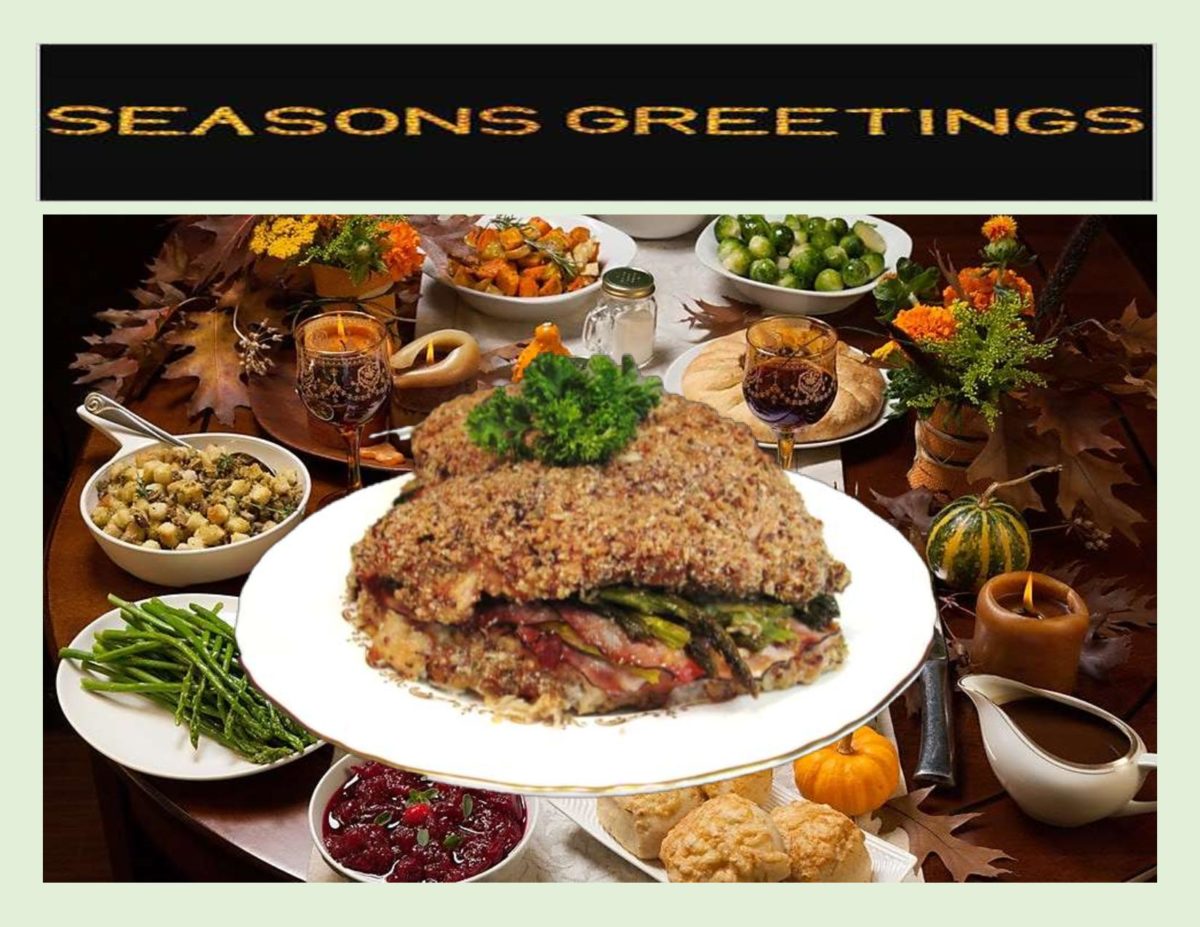
I think it would be safe to say that turkey still rules the day as the most traditional centerpiece for the Canadian Christmas dinner. Canada is a country with a very diverse background, so we enjoy a mix of cuisines and traditions from all over the world. Although that festive foul remains the center focus, other dishes on the table are undoubtedly reflecting how Canadian tastes are changing.
The fact that people are travelling more, our knowledge of food has expanded dramatically. Its all about flavor now, which has led us to more exotic spices and ingredients. We have become much more sophisticated in our approach to preparing food.
Other changes at the holiday table are a result of the large numbers of people who have opted to become vegetarian or people by choice or health reasons need gluten-free dishes. If you are preparing your holiday meal around these different ways of eating or requirements, it will mean being more thoughtful about what you prepare.
Another noticeable shift has come with the desserts served after the big meal. The days are gone, for most part, for the traditional, heavier desserts. These choices used to consist of mincemeat pies, steamed puddings or fruitcake to name a few. The trend now is leaning more to lighter, fruity and creamy flavors such as lemon.
The big thing is, no matter what your meal entails, enjoy it to the fullest as this time, day and year will never come again. Once again, we opted to have stuffed turkey breast instead of roasting the whole bird. The ‘seeded’ crust added a new dimension that we really enjoyed.
Print Recipe
Smoked Gouda & Asparagus Stuffed Turkey Breast
Votes: 3
Rating: 3
You:
Rate this recipe!
|
|
Votes: 3
Rating: 3
You:
Rate this recipe!
|
Instructions
-
Trim asparagus stems & steam, slightly in microwave. Shred Gouda cheese. In a food processor, combine panko crumbs, oatmeal, 4 kinds of seeds, spices & salt; pulse slightly.
-
Set out 3 large plates. Add flour to the first one, beat egg with 1 Tbsp water in the second one. The third one is for your pulsed mixture. Preheat oven to 325 F. Butter a large piece of heavy foil, making a circle about the same size of turkey breast.
-
Keeping the whole breast intact, flatten slightly to create uniform thickness. Coat breast on both sides with flour, then egg wash and lastly in the seed mixture. Coat completely, INSIDE & OUT (the seed mixture acts like a thin layer of bread stuffing).
-
Place breast on foil & layer one side with half of the ham, asparagus & cheese; repeat again with remaining filling. Place other side of breast on top so your filling is enclosed. If necessary, use some toothpicks to secure stuffed breast during roasting time. Cup sides of foil fairly close to meat.
-
Roast, covered for 2 hours, remove top piece of foil & continue to bake another hour or until 185 F. is reached on a meat thermometer. Remove from oven & allow to rest for a few minutes before slicing.